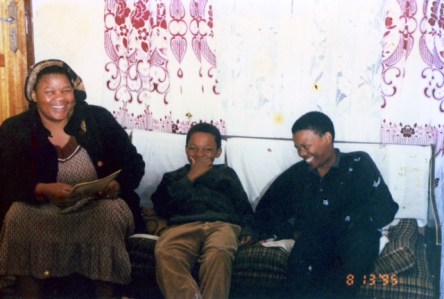
The recent JC results reminded me of my 1995/96 days at Tlhomo Secondary School. There was a student—from Sesung—who, despite failing Standard 7, was admitted because of his exceptional phathisi skills. Some said he was scouted from his home village specifically for his unique talent. Others claimed that he introduced phathisi dance to Tlhomo.
The term phathisi derives from the English word ‘puttees’, the strip of cloth or leather used for covering the lower part of the leg from the ankle to the knee.
According to Mojaki (2014), the interaction with agricultural demonstrators, who used puttees to protect their ankles while riding horses and donkeys in the meraka and masimo bushes, could have influenced the herdboys to use diphathisi. Developing into a dance style while they were out in the bush herding cattle.
Indeed, the short, stocky and light in complexion boy—together with his talented crew—kept us entertained and, without realising it, educated us and helped in making us take pride in our traditional dance. Through catchy songs, the clapping pattern, whistles, gestures, facial expressions and quick steps the boy from Sesung and Co gave us great joy, significantly contributing to our development.
Re a leboga.
