When I was growing up in Kanye, a village of around 50 000 people south of Botswana; we ate a lot of nama (meat), particularly during weddings. Cattle were slaughtered, sheep were slaughtered, and goats were slaughtered. Although most families reared chickens, the wedding chicken meat was usually bought from Fairways Stores, if not from independent Poultries. I can think of 1 or 2 – weekly, my mother brought home a whole chicken from them.
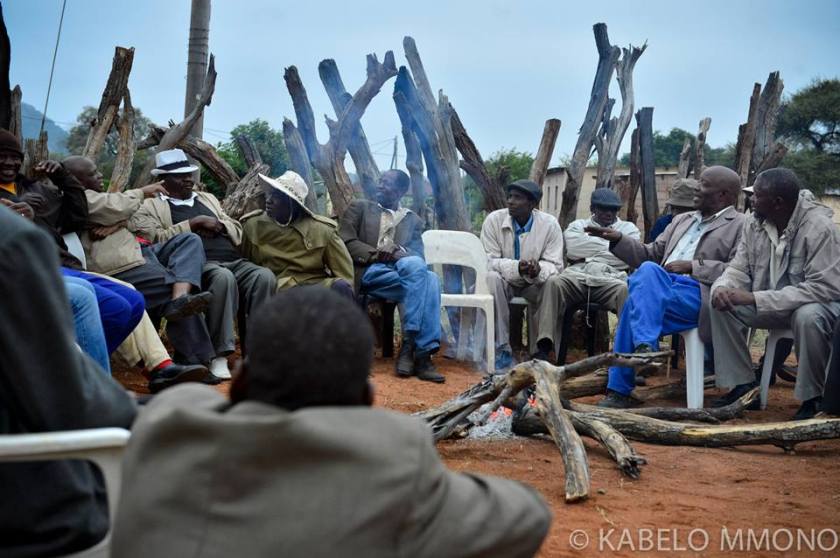
My favourite beef eating was especially at the Kgotla with other men, rather, males. The kgotla is the front of the cattle kraal (see image).
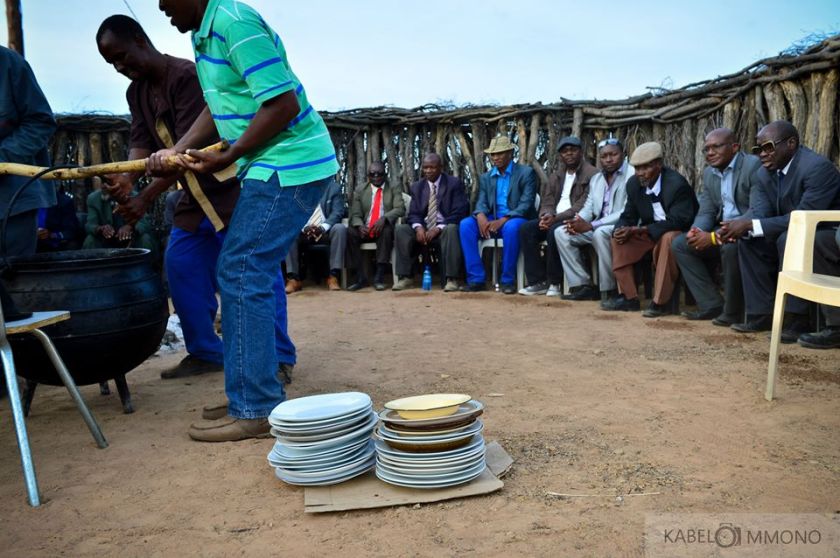
Following the wedding, maybe 1 or 2 days after the dancing, singing, and feasting; males would gather for at least 2 hours at the kgotla – to attack the remaining cooked meat. There would be a couple of massive food metal containers (dikotlele) full of stone-cold meat: cow head; cow hooves; the hairy cow ears; cow tongue; cow kidneys; masuhu; my favourite omasum tripe (baebele); and all the other tender prime cuts, renowned to be for the toothless elderly men. Indeed. Overlooking the meat dikotletle, with the fire lit, seated was: grandfathers, fathers, uncles, and we grounded boys. I remember very well girls passing, and were often called by some elderly men and offered some nama. To the loud disapprovals of 1 or 2 other elderly men: ’’mosadi ga a na tilo mo kgotleng!’’ (Females not allowed in the kgotla).
During the professional nama cuttings and the eating; discussions, loud laughs, jokes, and arguments were often heard – entirely by the elderly men – whereas the boys watched, nibbled, and giggled, of course, shyly. I have a very vivid memory of how all the elderly men seemed very happy. I have always thought that one day: I, myself, too, would expertly cut the nama, and happily share jokes and stories for the shy, younger boys – and girls.
I guess there are countless ways one can indeed ’’cut the nama’’ for the younger boys, and girls.
Therefore, this is me cutting the nama.
Enjoy, boys and girls.
Photo: Kabelo Mmono Photography


