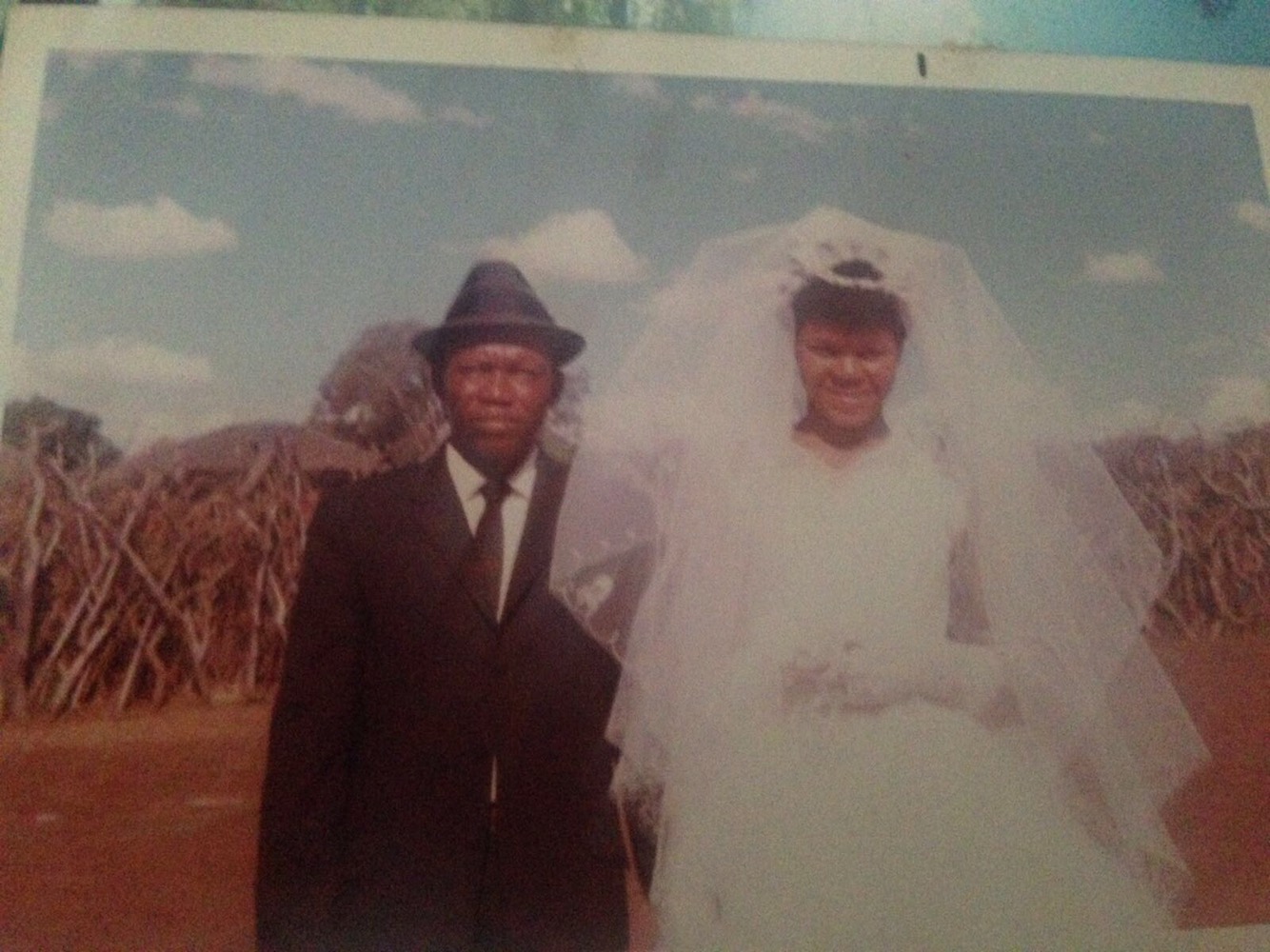
Thirty six years ago today, I was born to a miner and a seamstress.
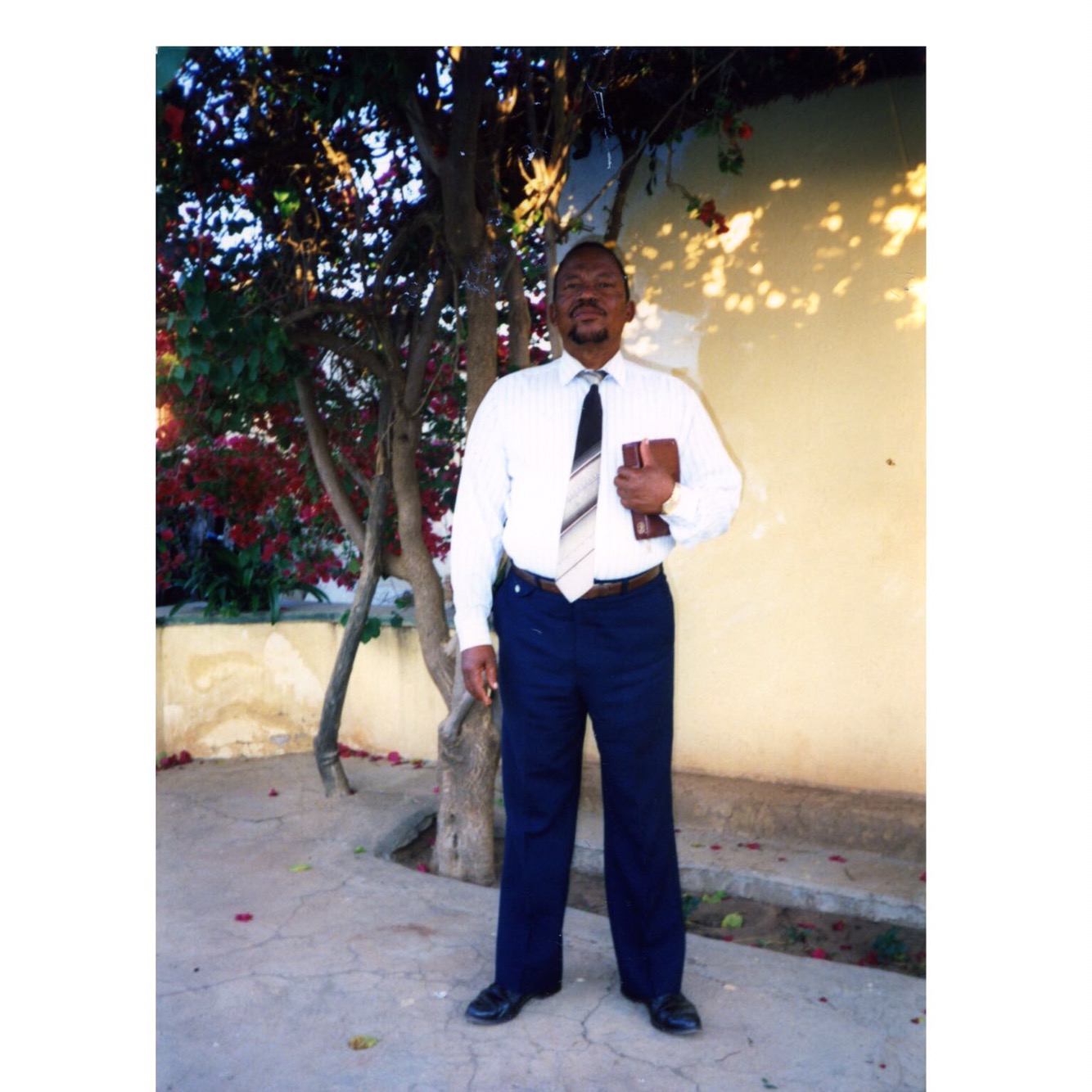
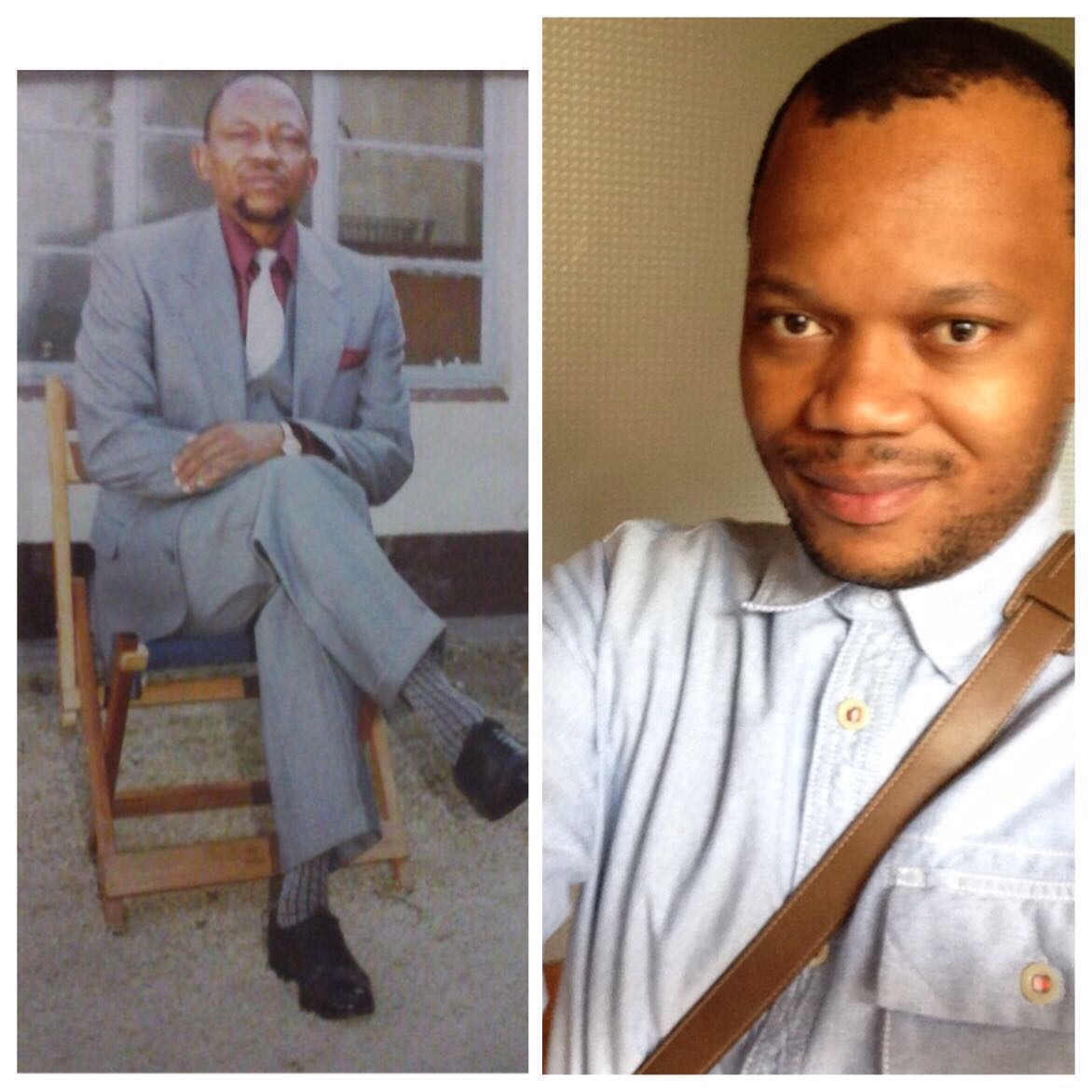
I want to celebrate this special day by telling you bits about the miner. My father was born in 1941, round about the time various Botswana homesteads had to deal with the World War 2 recruiting ordeal. Luckily for him, his father did not go, however, his uncle went.
My father did not go to school, at all. Nevertheless, he would later attend literacy classes, after blasting rocks for gold, at the Durban Deep Mine in Roodeport, Transvaal. It is worth noting that around that time, probably mid 60s, apartheid was at its pinacle in South Africa (SA). According to some commentators, my father was one of about 30, 000 Batswana migrant gold miners in South Africa. To put the figure in context, my father’s father, 3 of his uncles, 2 cousins (a lot more), 2 brothers in law, and a lot of neighbours worked in the Transvaal mines. Due to the lack of employment opportunities, more especially the consequences that came with the unaffordability of the colonial system’s Hut Tax (levied annually in respect of every dwelling occupied by a native (Schapera 1947 in Mogalakwe 2006) most of the breadwinners were forced to migrate to SA.
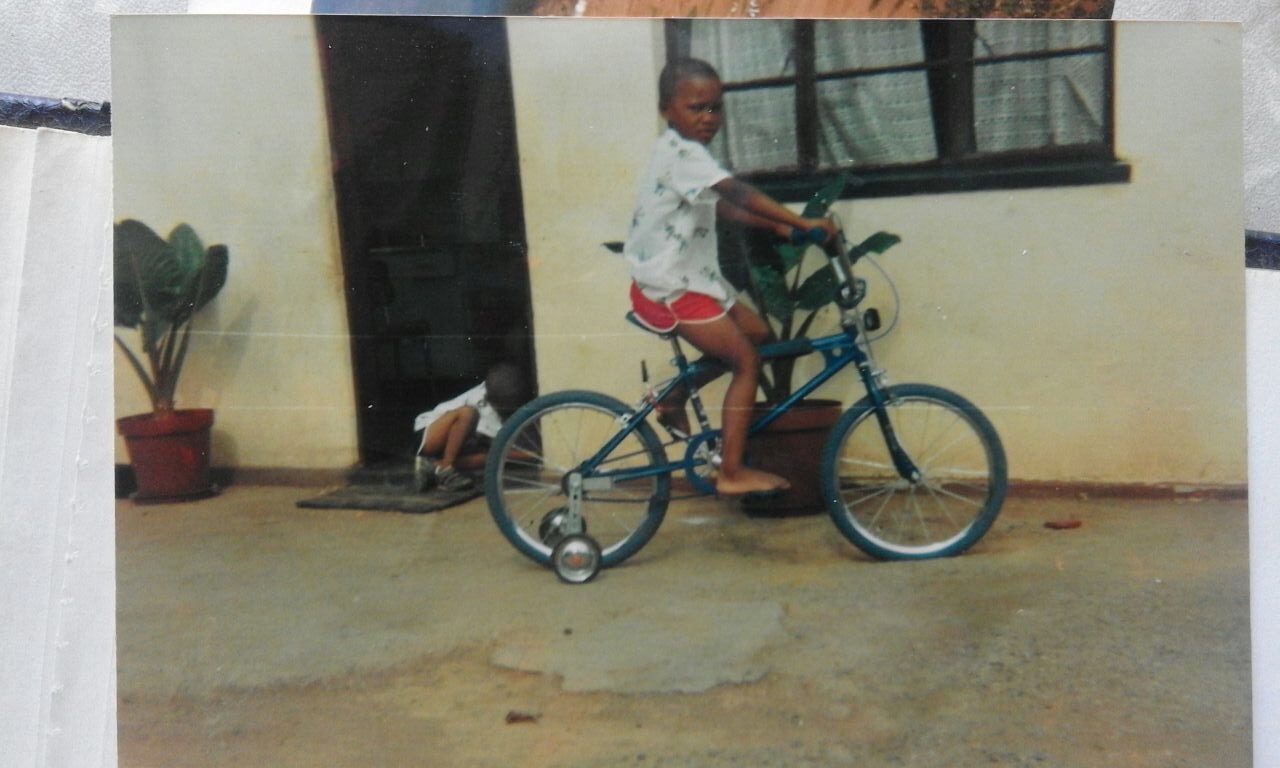
When I was a little boy, as expected, I didnt think much of my father mining gold. Quite often he would visit home and I always looked forward to the various sweets he brought. Everytime he would ask our elder sister, Molly, to give us some sweets, especially the Allsorts Original Liquorice. I remember the glittering blue shirts, the brown suits and the like. But, the best of them all was 2 BMX bicycles he brought for me and Nkgotla, my brother, around 1986, if not 7. I remember that night very well, he arrived around 9pm, in Mr Sentle’s car, our neighbour, who also worked at the Durban Deep Mine.
My father like all the other miners in SA, spoke fluent Fanakalo. Fanakalo is a makeshift South African pidgin language mainly used in places of work, particularly in the mines. “Its vocabulary is roughly 70 per cent Nguni (mainly Zulu), 24 per cent English and 6 per cent Afrikaans, in origin, but it retains hardly any of the unique phonetical, morphological and synstatical characteristics of the Nguni and other Bantu languages. It therefore lacks the main features by which Bantu languages are identifiable as such. Furthermore, the Bantu themselves do not automatically understand Fanakalo, but must learn it just as the Europeans do” (Cole, 53: 01). My father is/was? of the Bantu.
Everyday at home; he would casually drop a line or 2 of the “funny”, catchy and foreign language in his sentences. I know Fanakalo. My dear sister, my dear brother and my lovely mother know the Fanakalo language – thanks to my father. “Ene khathalile khakholo!”: I’m tired, “Ene makhasa”: I’m cold. “Nanze kudla”: Take the food “Kweu madoda!”: Wow guys “Sebenza kakhulu!”: Work hard “Come come meya buya”: Its about to rain.
I remember his funeral day vividly, Sunday 10 May 2009, we were at the kgotla, where the funeral was held, It was blistering cold that morning, I think on my right was my mother, I leaned over to her, our father’s coffin in front, and remarked: ene makhasa!


Wow yo writing is so simple and captivating.I read this story about you not visiting yo Father and sena le kgogedi.me tshepa o kwala or okwadile buka.I don’t knw where u r from BT I saw it in my mind…I saw yo father as u described him and I saw kgotla and ko kgosing.I must say o mokwadi.
LikeLiked by 2 people
Thank you❤️
LikeLiked by 1 person