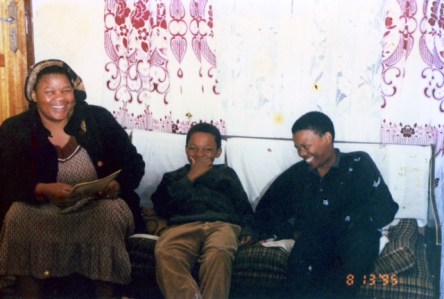
”In 1994 a teenage girl named Segametsi Mogomotsi was killed in Mochudi, Botswana, the suspected victim of ritual murder. By early 1995 students were rioting in response to this crime, and the university (of Botswana) was closed for two weeks in mid-semester”(Burke 2000, p. 204).
The Botswana Government requested the Scotland Yard Detectives to help with the investigations. To this day no one has been charged with the gruesome murder of a helpless fourteen-year-old girl – and the Scotland Yard report has never been publicised.
Looking back, this unfortunate loss to the Mogomosi family and to the country – without a doubt – is one of the most significant moments in my life, in our lives as Batswana, when I (we) questioned injustice and also became very aware of the always talked about dipheko: medicines used to supposedly promote business or in general, success.
Although I was only 14 years old; I vividly remember how my dear sister, who was at the time a First-year student at the 2 weeks shut University of Botswana, narrated in detail how there were chaos in the capital. I would continue to hear about Segametsi and the riots with great interest on the reliable Radio Botswana news. Further, I also overheard my concerned parents as well as other parents in the kgotla – including passersby – passionately talking non-stop about Segametsi. Similarly, my classmates and I would continue to curiously gossip during lessons of the unfolding events in Mochudi and Gaborone.
For me, Segametsi is a legend, an icon. We should be reminded of the late Segametsi Mogomotsi and ”celebrate” her life and her speaking death. Of course, working together in liaison with her bereaved family.
”The Mochudi riots could be likened to the Soweto uprisings of June 16, 1976, in South Africa. Even though the incidents were different in their intensity and circumstances, they were similar in the manner in which students expressed their anger and frustrations at the institutions of law and order” (Molomo 2001, p.46).
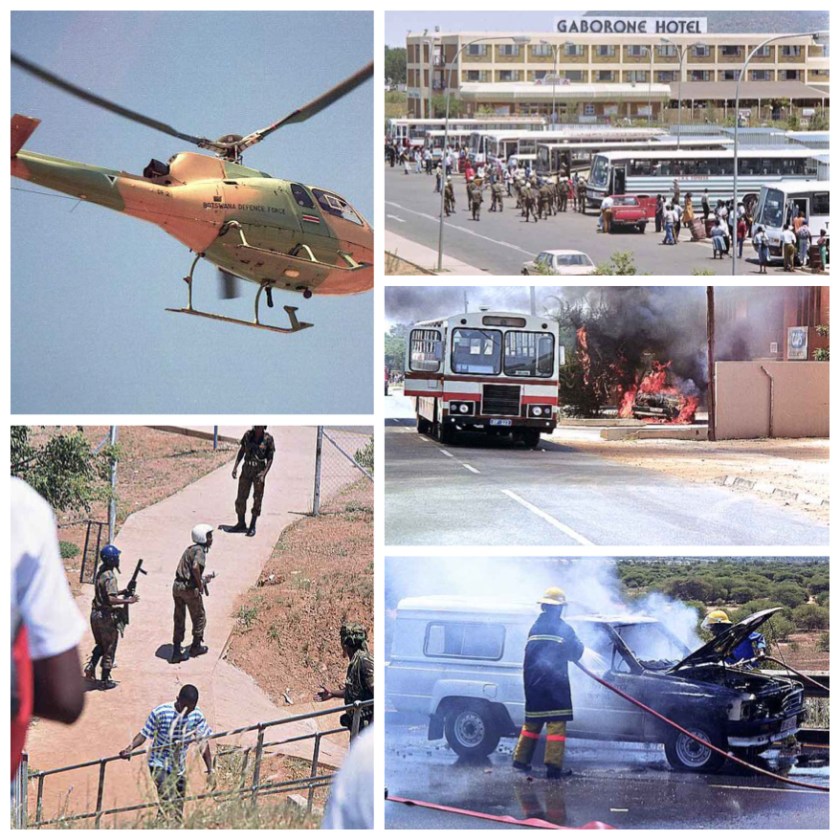
Images: Mothusi Sejakgomo


