Ever since, our house yard is part of a Kgotla (ward). A kgotla is a well-constructed circle of a cluster of households. Within the clearly visible circle, there is a cattle kraal. The cattle kraal has often been used temporarily for both the cattle, sheep and goats at some point during my childhood (still is) – usually, by any of the kgotla families. In most cases the cattle in the kraal was for a wedding if not a funeral. The open space in front of the kraal is also used for the kgotla members’ funeral service – as was the case during my fathers’, my uncle’s, and my paternal grandmother’s.
”Membership to a kgotla is usually by birth or marriage.In other cases it is by transfer from another kgotla of one’s birth” (Otlogetswe.com, 2015).
I am told these 10 households, (we) are the descendants of Seohela. Who, together with his brother Motsatsing are indeed sons of The Great Kgasa. Yes, Motsatsing is the Kgasa at Motsatsing. Word is they also had two sisters: Thatoyame and Mma-Mogwe – whose descendants I am still to trace.
Seohela had four sons: Mmeselane, Matlale, Mogobere and Sebetlela.
However, it is worth pointing that now this tradition is slowly ”dying” – mainly because of the rural-to-urban migration. Further, the under pressure, countrywide Land Board Authorities are distributing the free land plots by ”first- come, first-serve” basis and also people are buying land plots wherever they wish to. Meaning, people from the various dikgotla who may not be related anyhow are now neighbours and can indeed live together in harmony, regardless of birth or marriage – and in most cases, village.
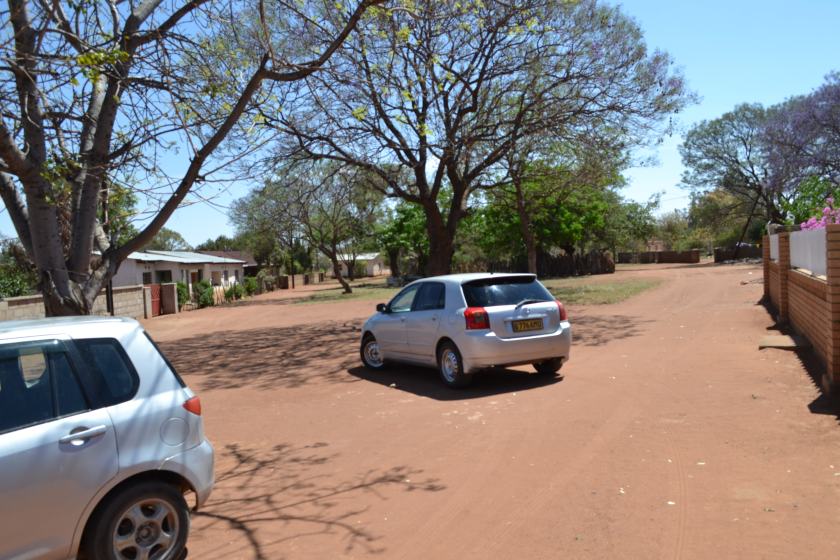
The Seohela Kgotla.

 Blessing Kgosi e tsile Kgasa