 I am Gasita, too.
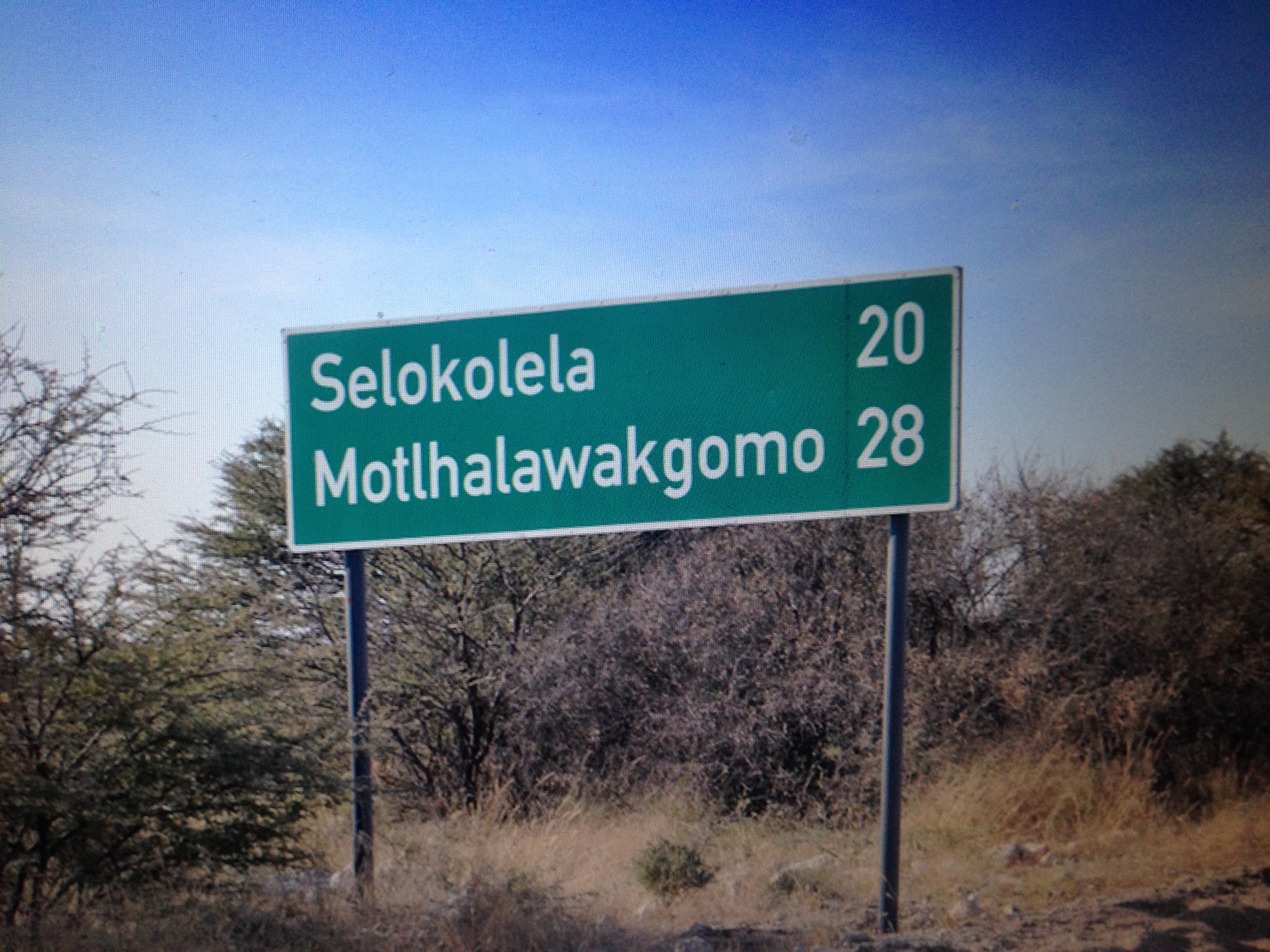
I’m constantly interrogating myself on whether I’m conducting this research study in the “remote” village of Gasita to only pass my dissertation. Well aware of my privileges of mainly “access” into Gasita, and power relations between myself and my research respondents, the truth is that: I am Gasita, too. According to the Statistics Botswana 2015 Report, Gasita is the second poorest village in Botswana.
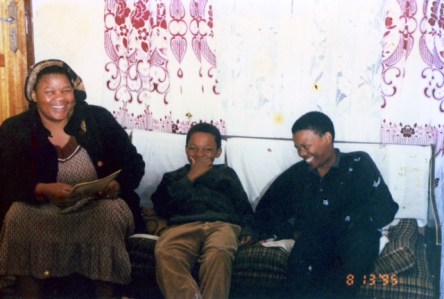
Although my Gasita reasons, of passing the dissertation, are partly true; I am in Gasita also because my mother, some of her siblings, and their parents, particulaly my grandmother, Ontefetse Babusi once lived and farmed in Gasita. According to my mother, she always went to Gasita during school vacations, “dikole di khutlusitse!” They left Gasita round about the time my mother got married to my father, the late Lekgoanyana Kgasa, in 1974. My grandmother emphasised that her late husband, my mother’s father, Sebatlo Babusi passed on around 1975, about 3 years after they had left or stopped farming in Gasita. My sister, Molly, was born in 1975. Molly is the very first biological grandchild to Mr and Mrs Sebatlo Babusi. Ontefetse remembers that weeks before he died, Rre Babusi insisted on holding baby Molly: “ke tla a reng ke sa tshware ngwana ke tloga ke e swa” (I might as well hold the baby since I’m about to die).
My mother, together with her mother are exceptional storytellers. Among their countles tales include their eventful and fondest memoirs, of which they always chronicle with precesion. My mother, under the guidance of her father, was a herdgirl of goats in the savannaland of Gasita. Back then when they indulged their senses primarily through poems, praise songs, storytelling, the melodious sounds of the goats bell, the petals of the butterflies and the kgaka meat which was a popular delicasy. My mother stated that the washing powder was some greenish Morota leaves that made foam just like the modern white detergent. My energetic mother milked goats in Gasita when she was about 12 years old. When I ask them how Jwaneng was during their time in Gasita, they emphasised that the Jwaneng if not the Jwaneng Mine did not exist. “Gongwe Moshana”, concludes my smiling grandmother, referring to the near Jwaneng town, Moshana village.
Perhaps, other than passing my Master of Research dissertation, my inspiration to critically investigate how the Botswana diamond-led economy has actually impacted the agricultural livelihoods of the village of Gasita is deeply rooted in my mother and grandmother’s eloquent storytelling, praise songs and poems. I am deeply indebted to them.
At the same time, this is me, continuing the legacy. And directly, telling my story. What I know is, one day, someone somewhere, will also be inspired by my candid attempt to chronicle my ancestos’ Gasita.
In case you didn’t know, I am Gasita, too.
Pelotshweu Kgosietsile Blessing Kgasa, Wa Mafhikana


