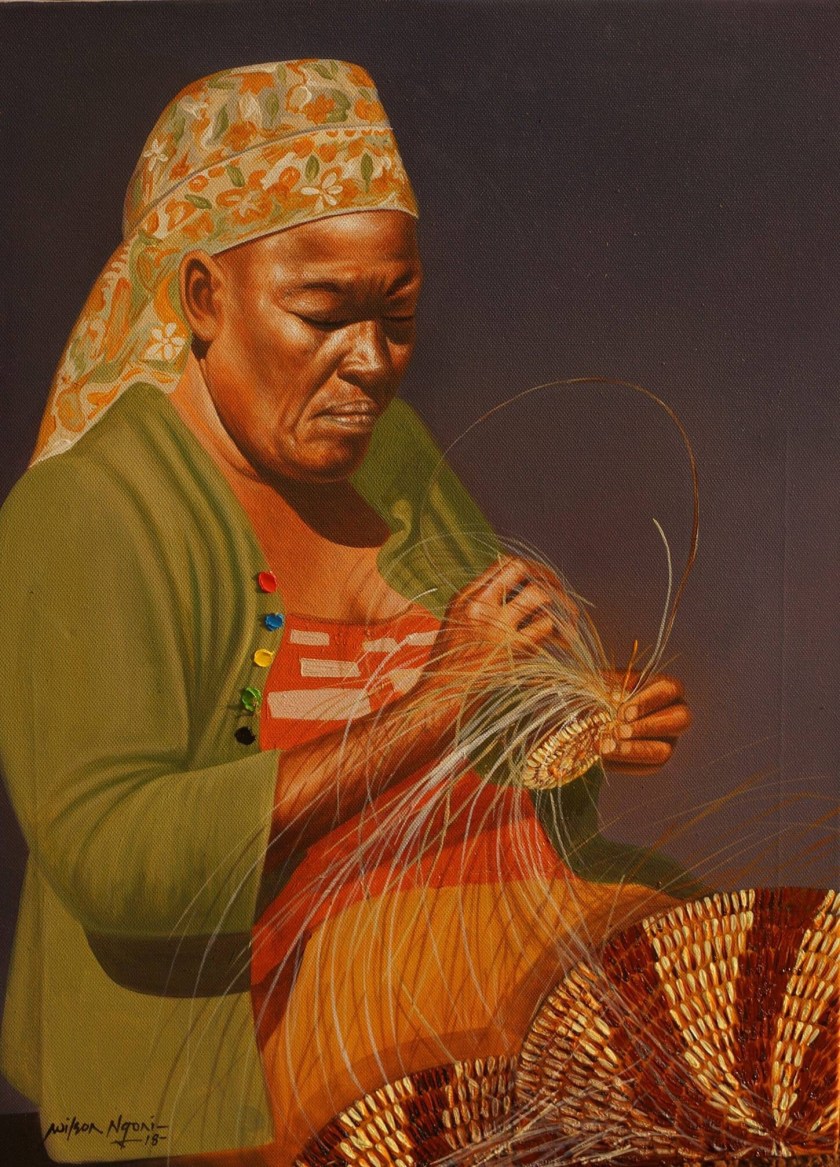
All along I’ve been thinking that the great Hambukushu people only arrived in Botswana in the late 60s. It appears that was the second migration:
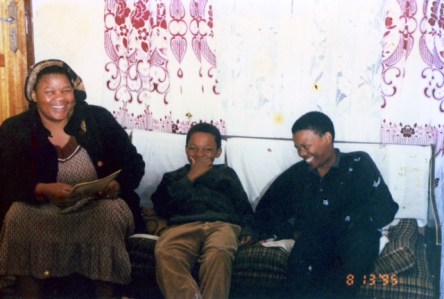
In “The Hambukushu of Ngamiland”, Larson (1970) posits that the Hambukushu are Bantu-speaking people whose origins can be traced to the Lozi Kingdom of Barotseland. Because of their chief’s slave trade practice as well as the ritual of sacrificing children to fortify their sacred rain-medicine, many of the Hambukushu fled Barotseland of Zambia along the Mashi Region to Ngamiland of Botswana early in the 19th century (Gibbins 1904 in Larson 1970). In 1937, Ashton (1935) listed 6,000 Hambukushu people in Ngamiland (in Larson 1970).
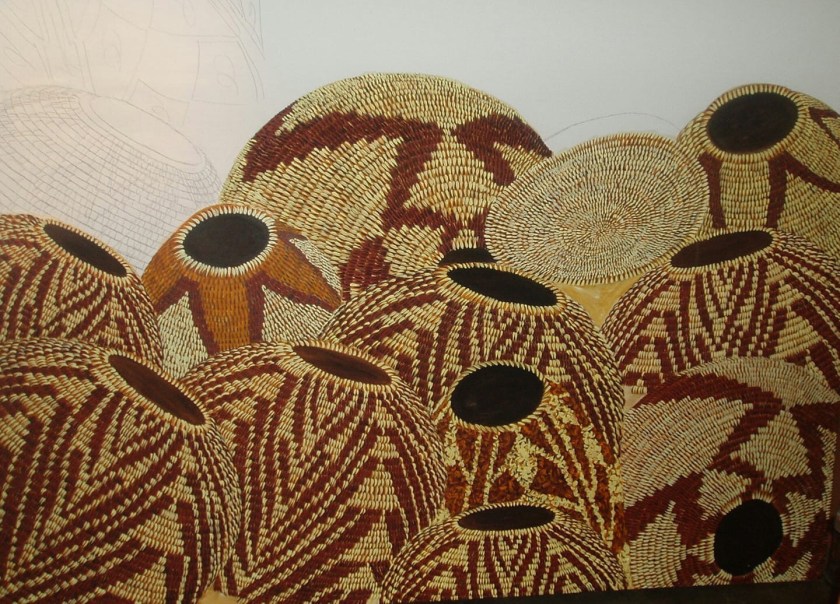
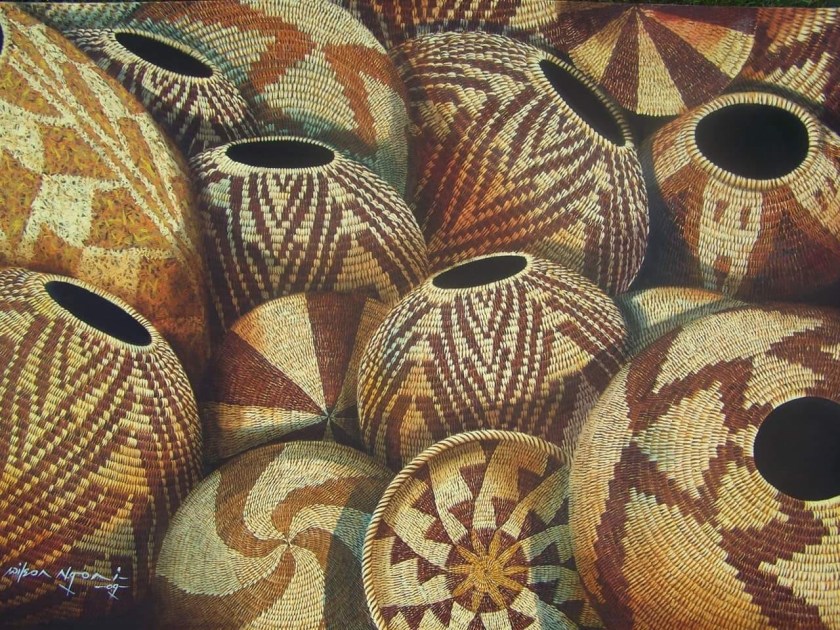
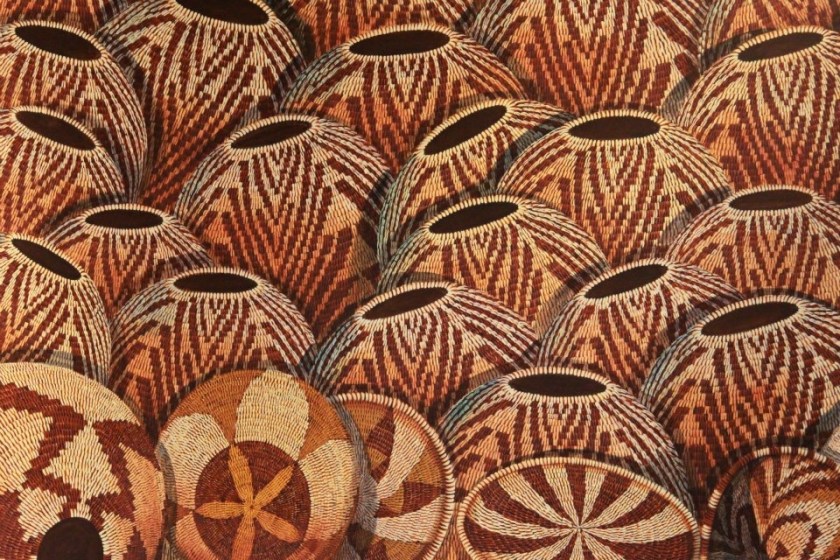
The second migration of the Hambukushu in 1967 revived basketry in Botswana. As soon as they settled at Etsha, Yoffe (1978) states that the the UN High Commissioner for Refugees gave them financial assistance. “The Settlement Officer at Etsha, Mr. Malcolm Thomas, observes that the refugees brought with them a wealth of craft traditions for making musical instruments, village implements, and superb traditional basketry and organised the first collection and sale of handicrafts. Later, with the help of Peace Corps and other volunteers, a local craft market was established in Gaborone” (p.44).
Following Terry (1999), crafts, such as woven baskets, can represent Botswana’s history, tradition, and civilization. And in addition, baskets, as material culture, can be commercialized and are key cultural tourism products that can be a tool for rural livelihoods diversification with direct socio-economic benefits to communities across the country (Mbaiwa 2004).
Image Credit: Wilson Ngoni